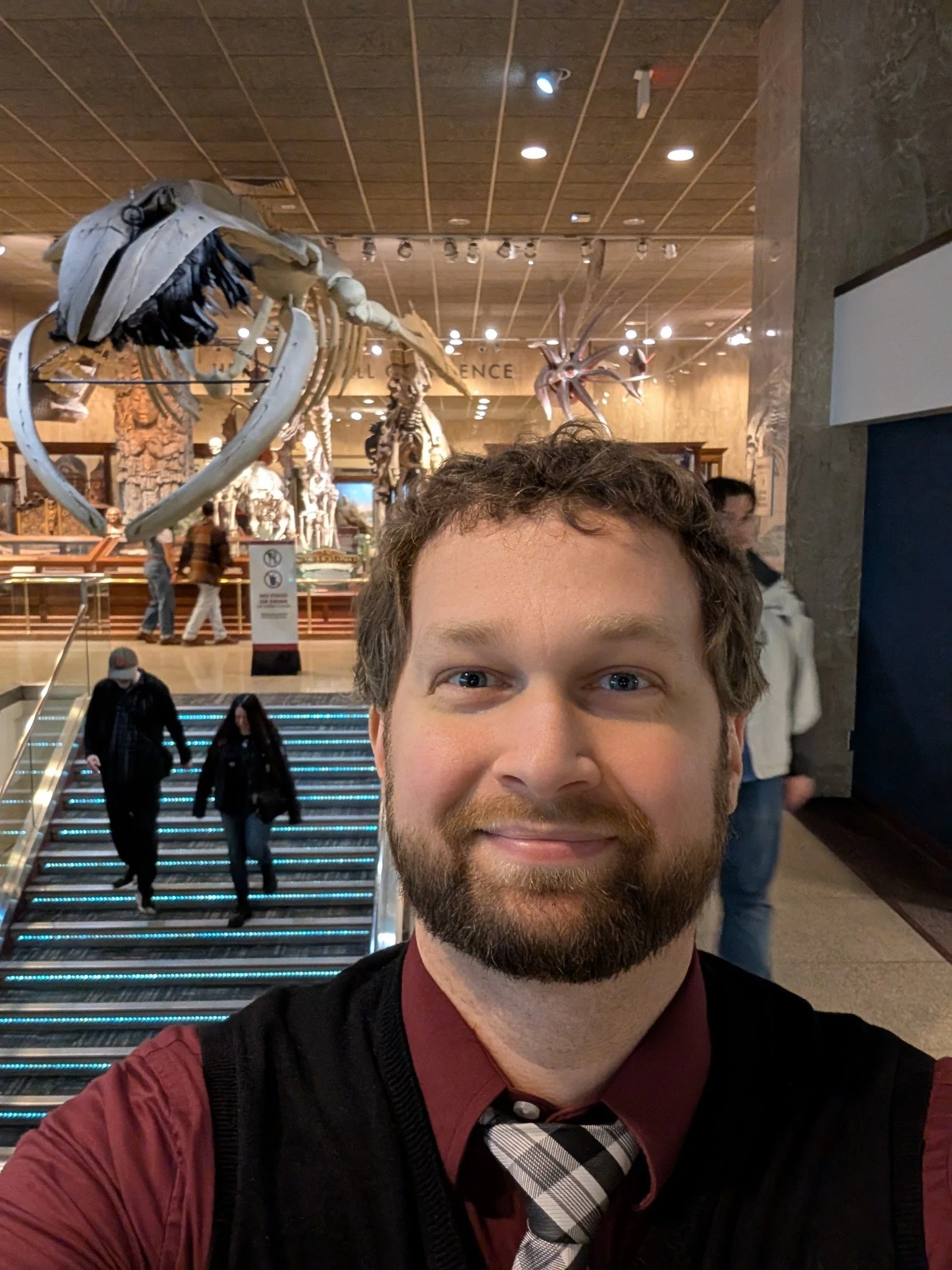
Robert Bavisotto, Ph. D.
Postdoctoral Researcher
Forschungszentrum Jülich GmbH
Institute of Energy Technologies (IET-1)
Fundamentals of Electrochemistry
Hello! My name is Robert Bavisotto and I study physical chemistry. I am a surface scientist whose work integrates both experimental and theoretical approaches. Surface science is the study of the physical and chemical properties of surfaces and interfaces, often with a focus on how atoms and molecules interact at these boundaries. It examines phenomena such as adsorption, desorption, catalysis, diffusion, electronic structure, and surface reactivity to understand chemical systems on surfaces at their most fundamental levels. The field integrates principles from physics, chemistry, materials science, and engineering and employs a broad set of experimental and computational tools, including various spectroscopic methods, microscopy techniques, scattering methods, and computational chemistry. Surface science provides essential insights for applications ranging from heterogeneous catalysis and electrochemistry to nanotechnology, energy conversion, or even semiconductor device fabrication.
In addition to my technical work, I am deeply passionate about STEM education. I value opportunities to mentor students, communicate complex concepts with the general public, and help broaden participation in scientific fields through accessible and engaging learning experiences. Shown on the right hand side is the new logo for my online STEM outreach organization Nova_Tago!

Nova_Tago Logo
Research
Press Release

CV & Highlights

About Me
Authored SOPs & Manuals
[1] Bavisotto, R. TPS-RAM: Using Temperature-Programmed Spectroscopy – Redhead Analysis Mode to Investigate Activation Barriers and Pre-exponential Factors of Surface Kinetic Processes - SOP
[2] Bavisotto, R. TPS-VHAM: Using Temperature-Programmed Spectroscopy – Van’t Hoff Analysis Method to Investigate Equilibrium Processes on Surfaces - SOP.
[3] Bavisotto, R. TPS-AAM: Using Temperature-Programmed Spectroscopy – Arrhenius Analysis Method to Investigate Activation Barriers and Pre-exponential Factors of Surface Kinetic Processes - SOP
[4] Bavisotto, R. RAIRS: Reflection Adsorption Infrared Spectroscopy using a Bruker Vertex 70: Tricks for Reducing Background Drift Resulting from Thermal Deformation of Sample Mounts - SOP.
[5] Bavisotto, R. RAIRS: Reflection Adsorption Infrared Spectroscopy using a Bruker Vertex 70: Utilizing Rolling Averages to Enable Rapid Data Collection with Enhanced Signal-to-Noise Ratios during Fast Experiments - SOP.
[6] Bavisotto, R. Calculating Average Tilt Angles: Utilizing Reflection Adsorption Infrared Spectroscopy and Gaussian-16 to Calculate the Average Tilt Angle of Adsorbed Surface Species – Leveraging the Infrared Surface Selection Rules - SOP.
[7] Bavisotto, R. XPS: X-ray Photoelectron Spectroscopy using STIAB source and Phi electronics system: Utilizing Rolling Averages to Enhance Signal-to-Noise Ratio in Rapid Experiments - SOP.
[8] Bavisotto, R. AES: Auger Electron Spectroscopy using a Phi electronics system: Using Rolling Averages to Improve S/N During Short Duration Experiments - SOP.
[9] Bavisotto, R. TPD: Temperature-Programmed Desorption using a Hiden HAL 301 Quadrupole MS – Using LabVIEW Channel Leaping Methods to Increase Number of Masses Scanned - SOP
[10] Bavisotto, R. TPD: Temperature-Programmed Desorption using a Dycor 201 Quadrupole MS – Using LabVIEW Channel Leaping Methods to Increase Number of Masses Scanned - SOP
[11] Bavisotto, R. LEED: Low Energy Electron Diffraction using an Omnicron SpectaLEED 535 Unit – Digitizing and Plotting Visual Data from Photos – SOP
[12] Bavisotto, R. STM: Basic Operational Parameters: Scanning Tunneling Microscopy using a RHK 300 – Tips and Tricks for Resolving the Surface – SOP
[13] Bavisotto, R. AFM: Basic Function and Operational Parameters: Atomic Force Microscopy using a RHK 300 Beetle – SOP
[14] Bavisotto, R. RGA: Residual Gas Analysis using Hiden HAL 301 Quadrupole MS – SOP
[15] Bavisotto, R. GC: Gas Chromatography using a HP 5890 – SOP
[16] Bavisotto, R. Single Crystal Mounting Methods Review – SOP
[17] Bavisotto, R. Using IR Lithography to Fabricate Molecular Electronics Devices with Microgap Electrode Separation - SOP
[18] Bavisotto, R. STM Tip making - SOP: Using the Etch Stop Method in Conjunction with the Electrochemical Drop-off Technique for the Fabrication of Atomically Sharp Tungsten STM Tips.
[19] Bavisotto, R. Predicting Enantioselectivity for Prochiral Molecules Docked Surface Chiral Modifiers using First Principles Density Functional Theory with VASP – SOP
[20] Bavisotto, R. QuantumATK Geometry Optimizations & IV Calculations for Moletronics Studies- SOP
[21] Bavisotto, R. Introduction to simple molecule drug docking using Autodock VINA – SOP
[22] Bavisotto, R. Computational Drug Discovery – Improved Computational Reproducibility by Reducing “False Positives” and “Missed Hits” by using the Multiseed Method in Conjunction with the Spatial Derivative Method – SOP
[23] Bavisotto, R. ISMMC-RAIRS: In Situ Monitoring of Molecular Conductivity with Reflection Absorption Infrared Spectroscopy – A Novel Method for Correlating Surface Structures with Molecular Conductivity
[24] Bavisotto, R. BM_Gap Chip Array Method: Utilizing Novel Nanotechnology Deposition Methods to Design and Construct Molecular Circuits for Conductivity and Rectification Studies
[25] Bavisotto, R. TPS-Fitting Methods: Utilizing TPS Methods to Fit Experimental Data for Surface Kinetic Processes.
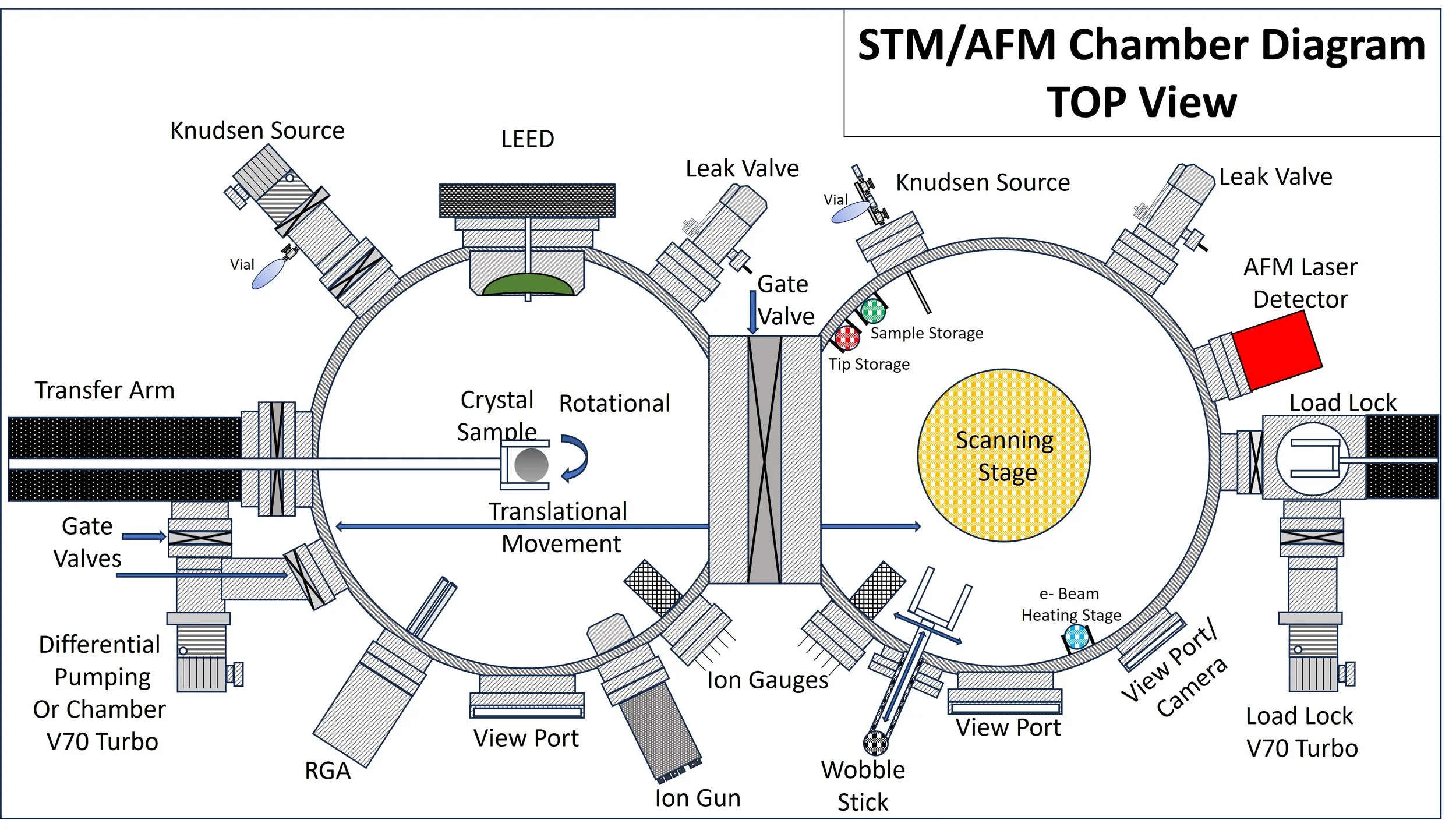
Schematic Diagram of AFM/STM in the Ultrahigh Vacuum Chamber
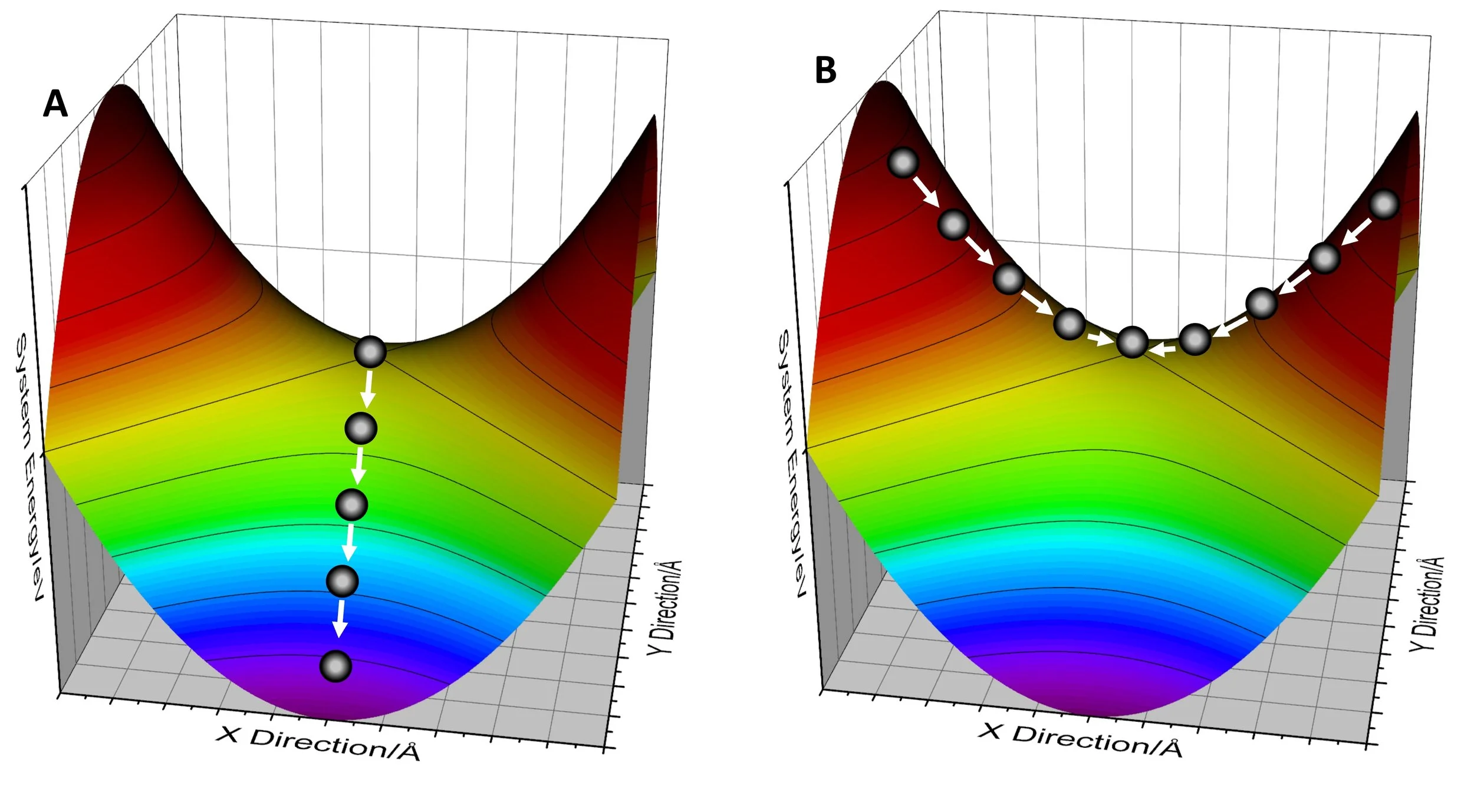
(A) Depiction of NEB calculation finding the minimum energy pathway
(B) Depiction of the cNEB method where the forces are inverted along the potential energy path
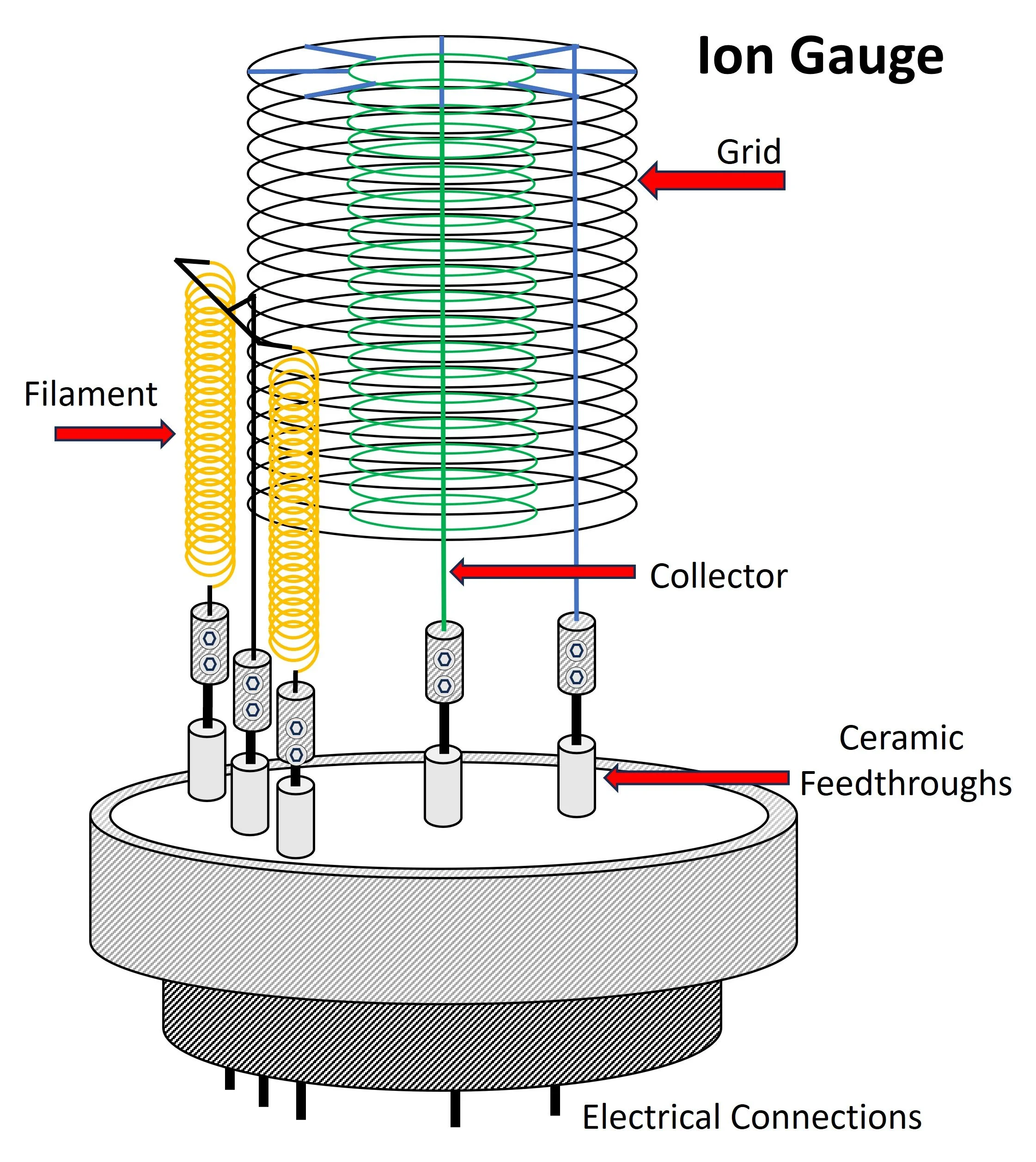
Schematic of an ion gauge commonly used to measure the pressure in UHV chambers