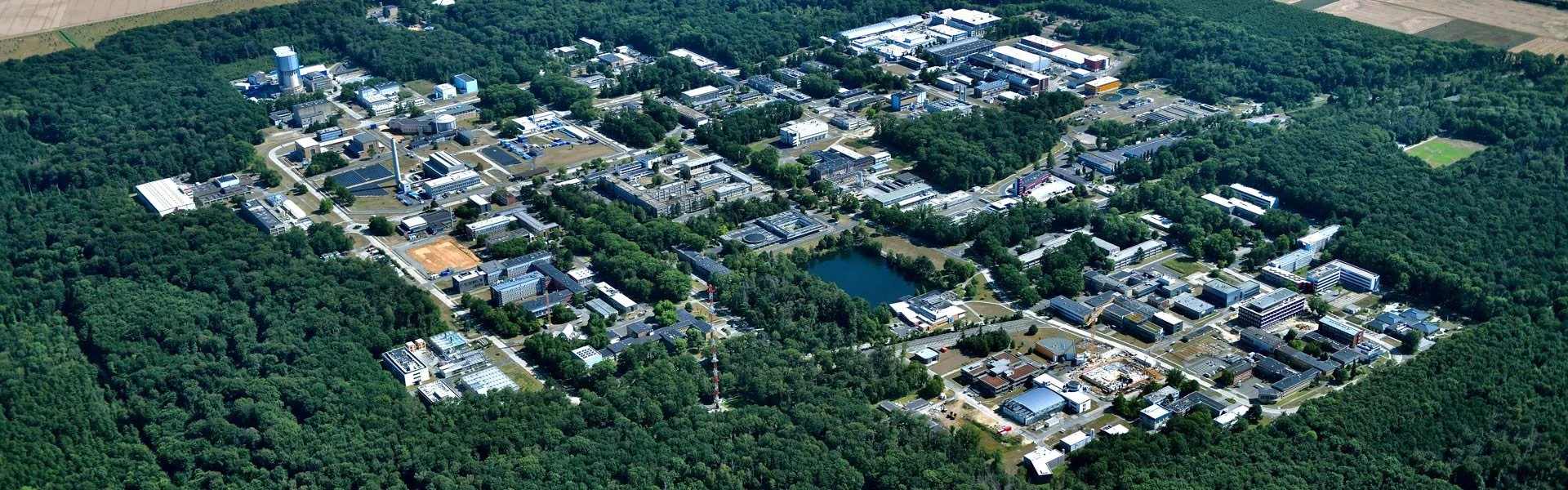
Current Research Topics
—————Combating Climate Change and the CO2RR—————
Carbon dioxide reduction reaction (CO2RR) research seeks to develop electrochemical pathways that convert CO2 into value-added products such as fuels, chemicals, and feedstocks, thereby closing the carbon loop and reducing reliance on fossil resources. As global emissions continue to rise, CO2RR offers a scalable platform for transforming an abundant greenhouse gas into useful molecules using renewable electricity. Advancements in catalyst design, reaction engineering, and system integration are therefore essential to improve efficiency, selectivity, and economic viability. This research area is critical for enabling sustainable energy systems and meeting long-term climate mitigation goals.
———————————Self-Driving Labs———————————
Self-driving lab research aims to merge automation, artificial intelligence, and advanced instrumentation to accelerate scientific discovery beyond the limits of manual experimentation. By autonomously designing, executing, and analyzing experiments, these systems can navigate vast parameter spaces, optimize complex processes, and uncover relationships that would otherwise remain hidden. The need for such research is driven by increasing materials and chemical complexity, the demand for faster innovation cycles, and the push to reduce cost and experimental waste. Self-driving labs therefore provide a strategic pathway to more efficient, reproducible, and scalable R&D across disciplines including chemistry, materials science, and biotechnology.
Selected Areas: Land Projected to be underwater by 2100 (Coastal Risk Screening Tools)

Coastal Risk Screening Tool - Climate Central: Land Projected to be below annual flood level in 2100 (Southern Florida & The Bahamas)
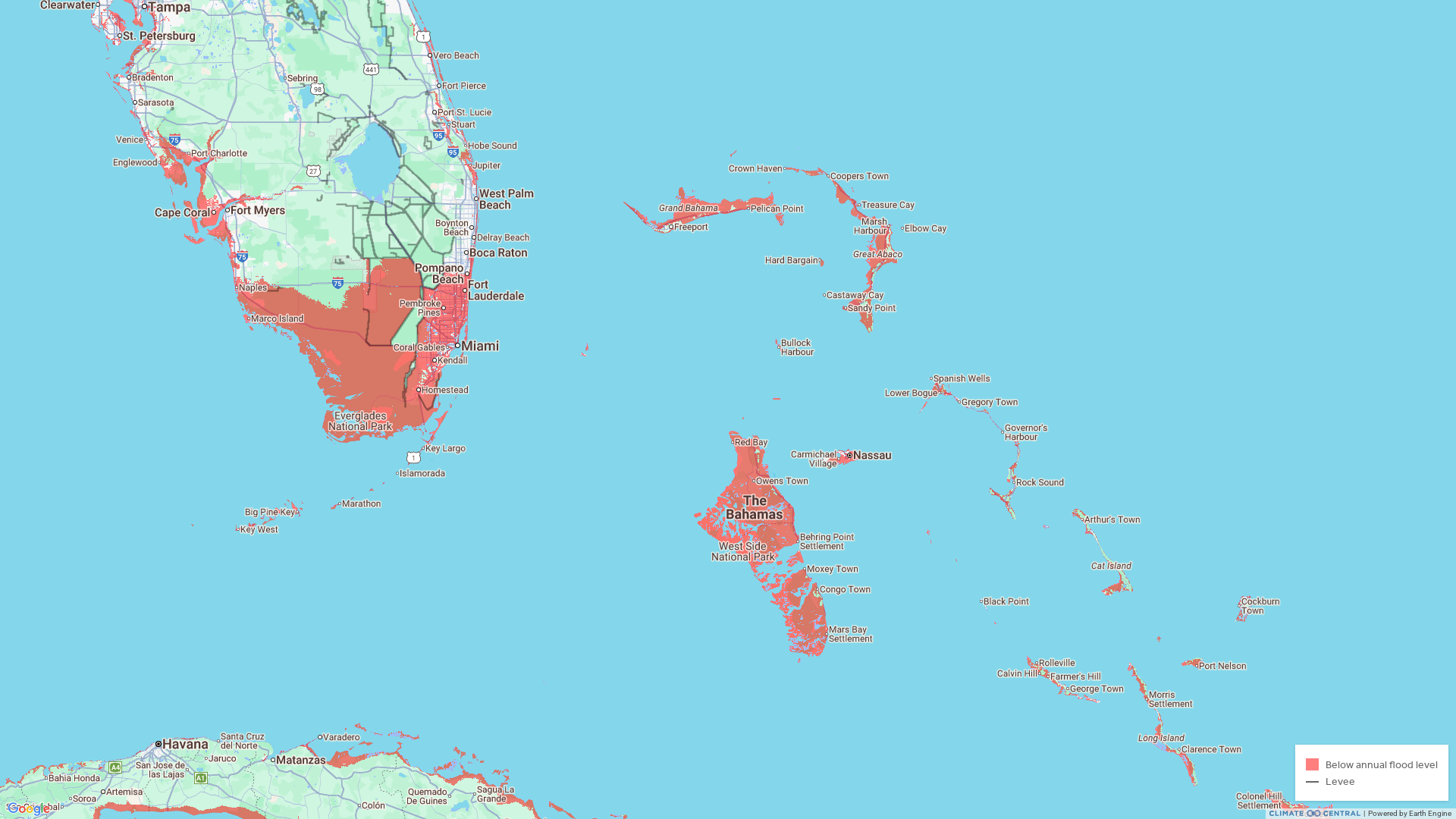
Coastal Risk Screening Tool - Climate Central: Land Projected to be below annual flood level in 2100 (Netherlands & Surrounding Areas)
Ph.D. Studies
—Surface Science—
I have spent the last decade developing my background in both STEM education as well as scientific research. During my academic career, I have had the opportunity to work on a diverse range of research projects, spanning from fundamental studies of self-assembly processes on model single-crystal surfaces to exploring the night sky for pulsars using state of the art radio telescopes. Along the way, I have gained experience with numerous experimental techniques including various spectroscopy and microscopy methods, materials synthesis methods, as well as utilizing computational modeling methods. Furthermore, I have significant experience with designing, maintaining, and operating the equipment utilized in ultrahigh vacuum systems as well as writing LabVIEW programs in order to interface with selected experimental equipment.
During my time as a graduate student at UWM, I authored over 24 publications, which have resulted in more than 220 citations to date. My work has been recognized with four "hot paper" awards from journal editors and featured in special issues on four occasions. Additionally, I have presented my research through 14 poster sessions at symposiums and delivered four oral presentations, earning awards on four occasions. I’ve even had my research featured on the cover of journal issues on two separate occasions. The first cover highlighted a series of novel techniques that I personally invented, while the second cover showcased a detailed investigation into complex lateral interactions for chiral molecules on metal surfaces under UHV conditions.
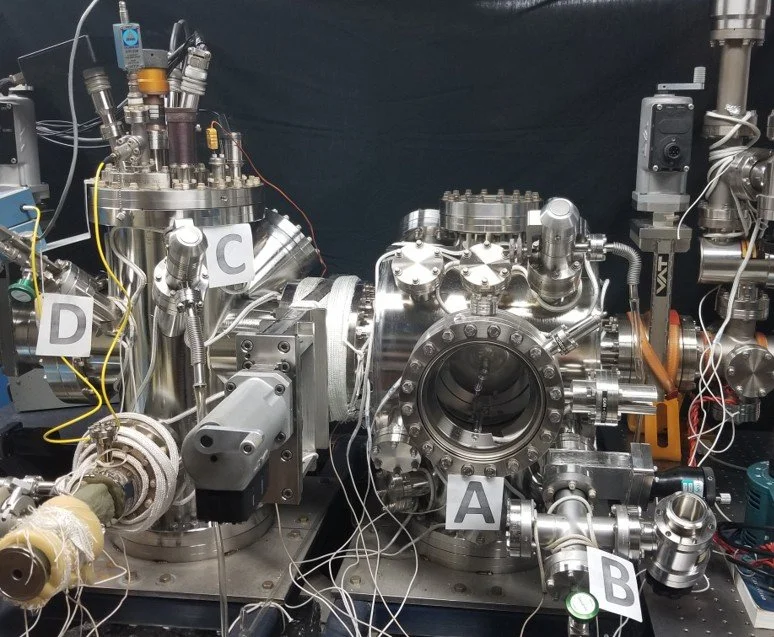
Image of an ultrahigh vacuum chamber equipped with LEED, STM, AFM, cleaning chamber, transfer arm, load lock, and Knudsen dosing sources.
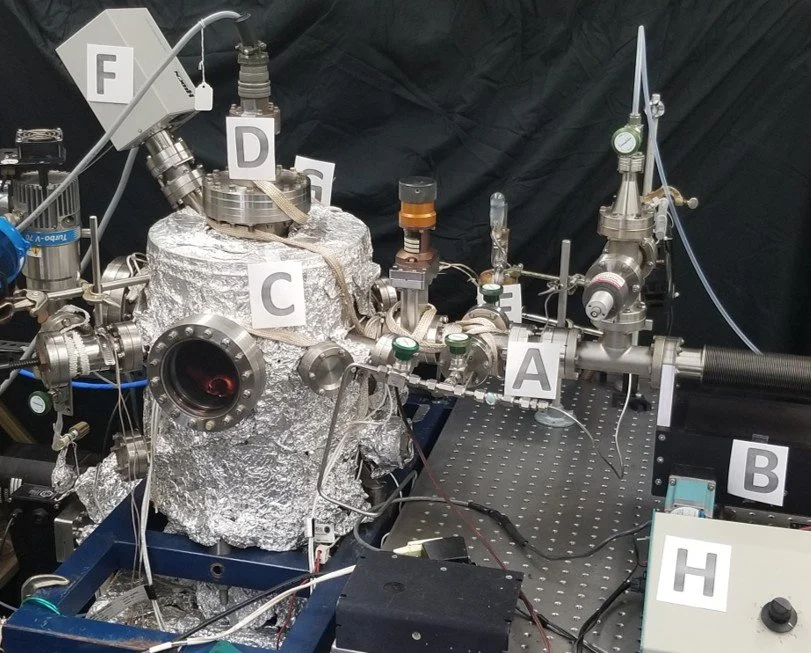
Image of an ultrahigh vacuum chamber equipped with TPD, high pressure cell, AES, and Knudsen dosing sources. Personally designed & assembled for PhD project IV.
Advances in computational chemistry have facilitated the integration of theoretical calculations to complement experimental findings. However, since computational methods depend on many approximations and variables, they require careful validation, which in the case of experimental validation can be challenging or unfeasible. For example, activation barriers are often predicted using climbing nudged elastic band calculations, whose benchmarking has traditionally relied on temperature-programmed desorption, a technique inherently sensitive only to processes that produce gas-phase products. To establish a surface-selective experimental approach capable of probing kinetic processes directly on surfaces without requiring gas-phase products, a suite of innovative spectroscopic techniques is introduced. These methods, collectively referred to as temperature-programmed spectroscopy (TPS), rely on precise control of sample conditions, enabling surface spectroscopic data to be collected quasi-continuously. These novel analytical tools can be easily combined with existing spectroscopic methods, such as IR or XPS, without the need for new capital equipment. This capability enables the detection of subtle changes over short time intervals, thereby facilitating kinetic measurements of surface-based processes that were previously unverifiable.
Project I:
Temperature-Programmed Spectroscopy
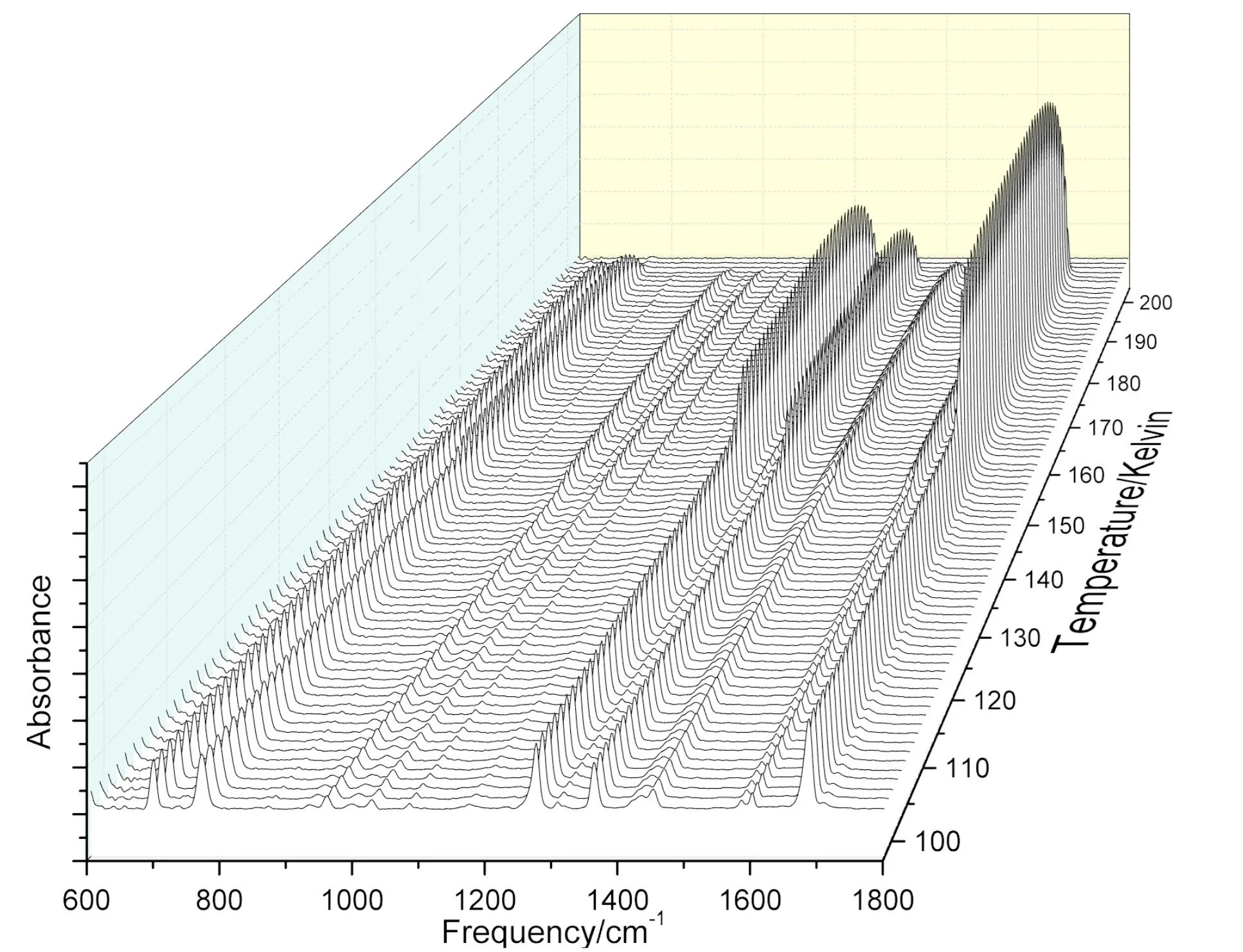
Graph: TPS - RAM plot of an organic thin film forming a crystal followed by desorbing from surface
Project II focuses on utilizing surface-selective techniques to investigate chemical states on surfaces for further mechanochemical studies. Mechanochemistry, the study of chemical reactions initiated by mechanical forces, is one of the oldest branches of chemistry yet remains among the least understood. Despite the field's underdeveloped theoretical foundation, there has been a surge in mechanochemical synthesis publications, highlighting its industrial potential. Porject II investigated the relationship between terminus-counterface interactions and tribological decomposition. It begins by employing surface-selective techniques to characterize the orientation, structure, and thermal chemistry of various chemical systems. These findings were then correlated with tribological results to test theories linking the strength of termini-counterface interactions with the rate of tribological decomposition. Furthermore, first-principles density functional theory (DFT) calculations were employed to examine variables that may enhance or diminish termini-counterface interactions, providing insights into how these interactions can be tuned to control the rate of tribological decomposition.
Project II:
Mechanochemistry
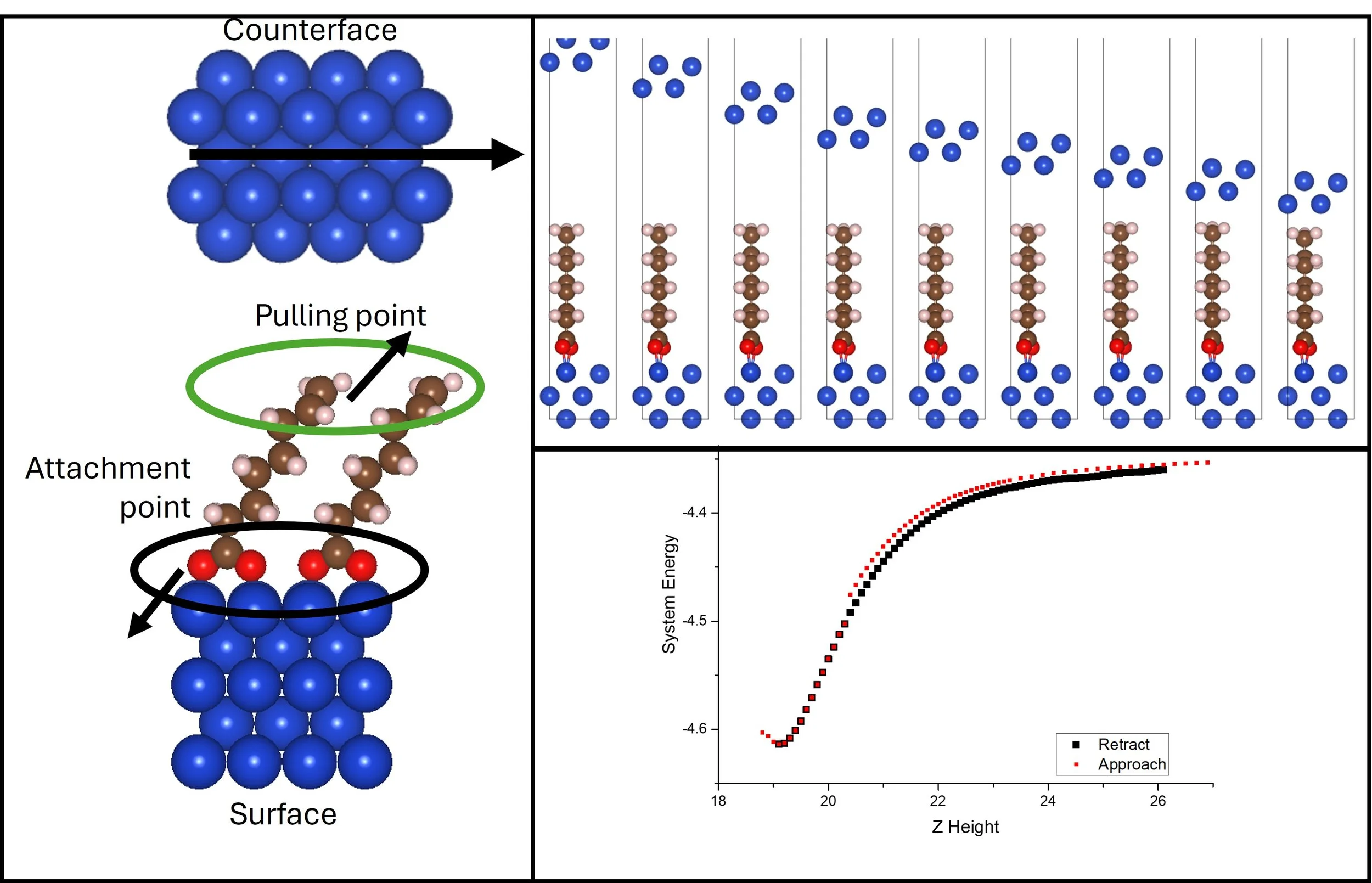
Graphical Abstract showing a molecule bridging a junction between a surface and a sliding counterface
Project III focused on the chiral modification of chemical reactions on catalyst surfaces to investigate the mechanisms by which enantioselectivity is imparted. This research aims to understand how chirality is conferred and explores the relationship between enantioselectivity and reaction rate enhancement. The investigation began by employing surface-selective techniques to elucidate the mechanism by which a selected chiral modifier imparts enantioselectivity during the hydrogenation of methyl pyruvate to produce methyl lactate, a chiral compound. This mechanistic understanding was then used to develop a model testing whether the observed enantioselectivity in a heterogeneous reaction arises from the ratio of pro-chiral binding structures on the catalyst surface. The hypothesis was subsequently tested using both flow and batch reactors on single crystal catalysts as well as supported catalysts.
Project III:
Chiral Modification
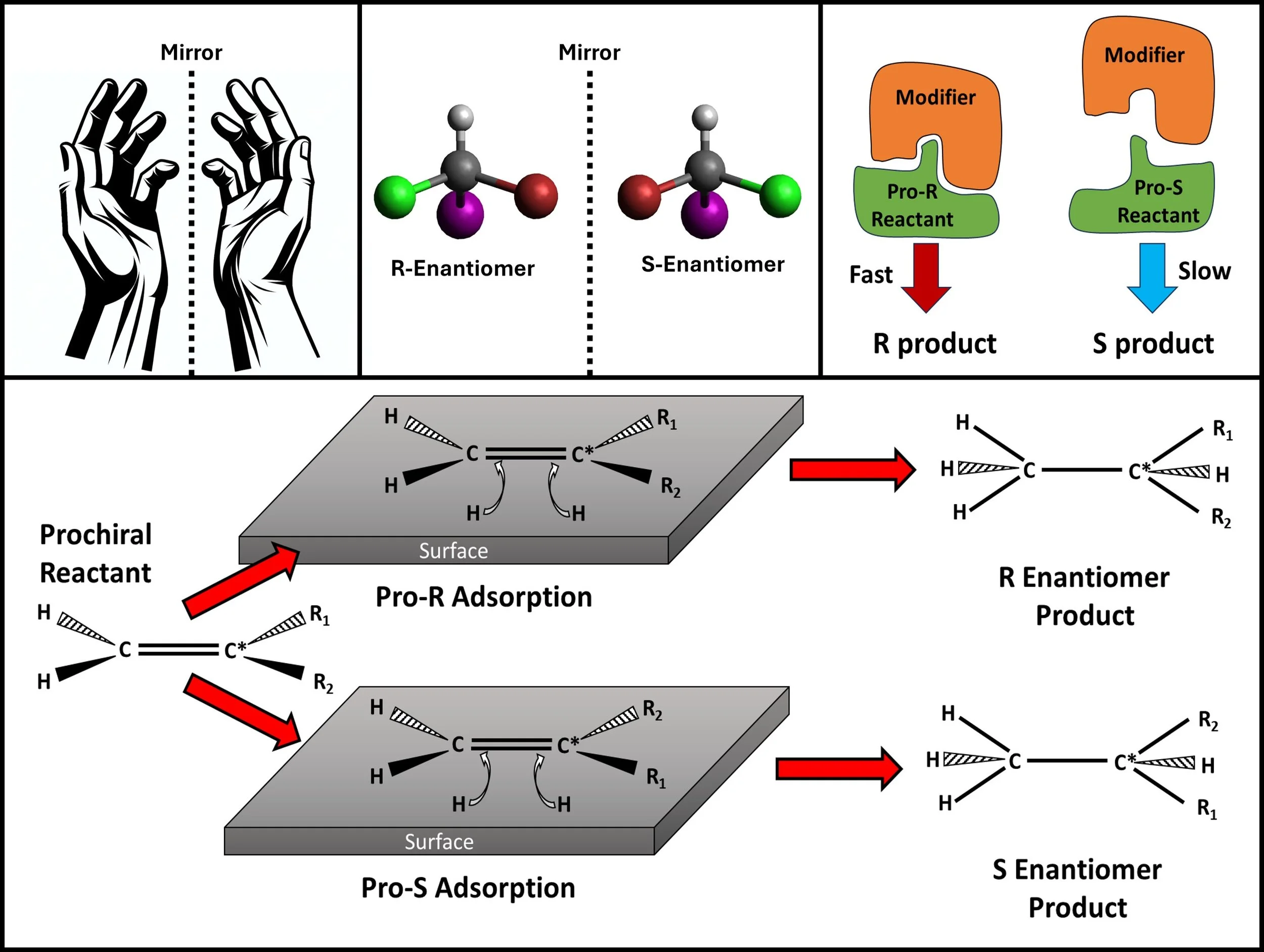
Top-left: Image depicting Handedness. Top-middle: Image depicting chiral centers. Top-right: Image depicting chiral modification via adsorption docking. Bottom: Schematic of chiral modification theory through adsorption/reaction kinetics.
Project IV:
Organic Selectivity Modification
Project IV focused on developing the fundamental understanding of the lateral interactions of selected molecules during chemical reactions. The objective of this research is to tune the chemical selectivity by introducing surface organic modifiers into reaction mixtures. The potential application of this work lies in strategically altering chemical selectivity to reduce waste production, a key priority in sustainable industry. Minimizing waste, especially that which has significant environmental impact, aligns with the principles of a green chemistry efforts. An important benefit of using strongly binding organic modifiers is their ability to enhance chemical selectivity, thereby reducing the need for costly chemical separation processes and limiting the formation of undesirable byproducts. This section employs several surface-selective techniques as well as high-pressure gas-phase heterogeneous reactions to explore lateral interactions between selected organic modifiers and their impact on chemical selectivity during furfural hydrogenation reactions over model Pd(111) single crystal catalysts. The studies examine various types of surface organic modifiers and detail the mechanisms by which each influences chemical selectivity. These findings demonstrate how such modifiers can effectively minimize unwanted byproduct formation during chemical synthesis. By providing strategies to optimize reaction pathways, this research contributes to the development of more efficient and environmentally friendly chemical processes.
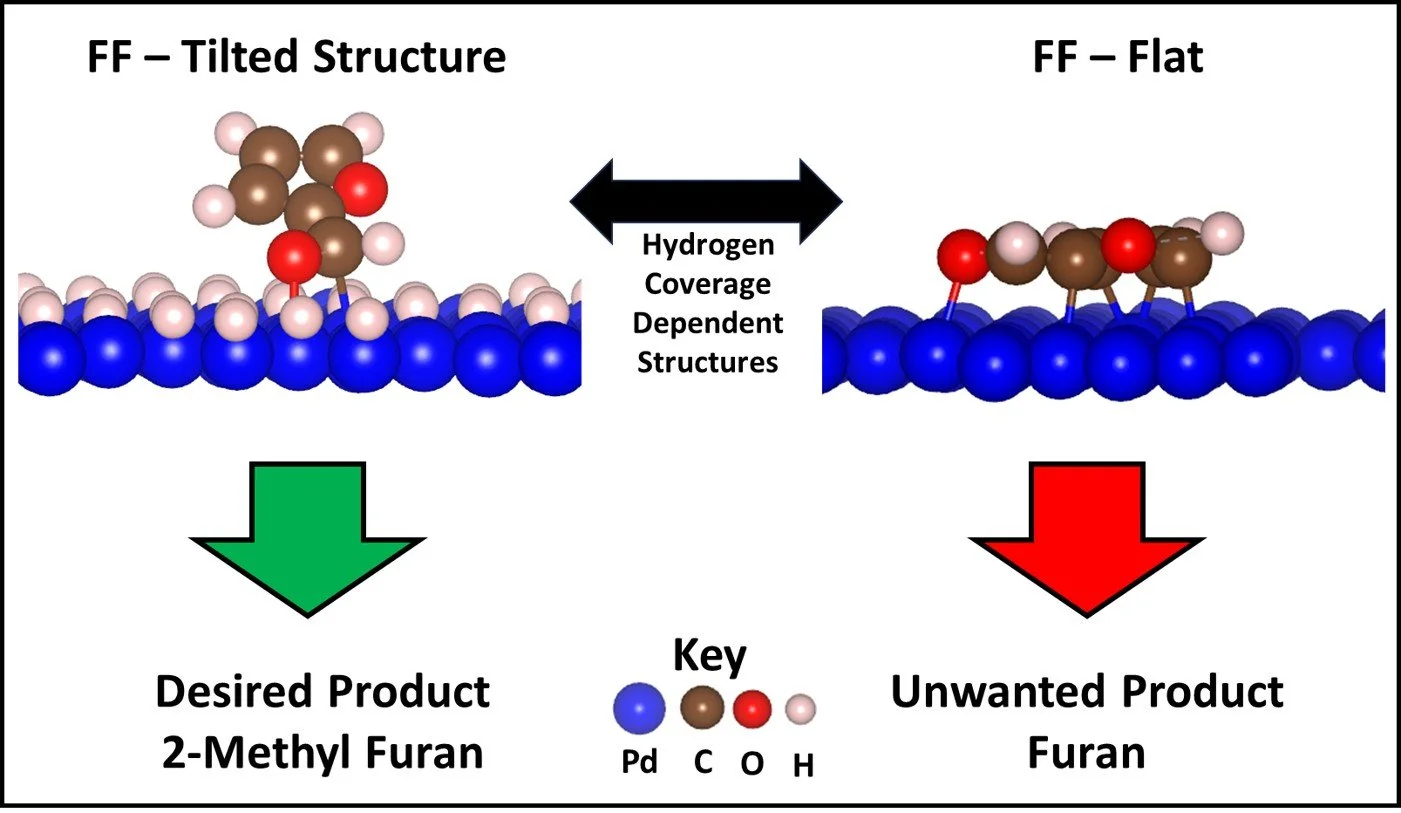
Depiction of central theory for tuning furfural hydrogenation selectivity from tilt angle
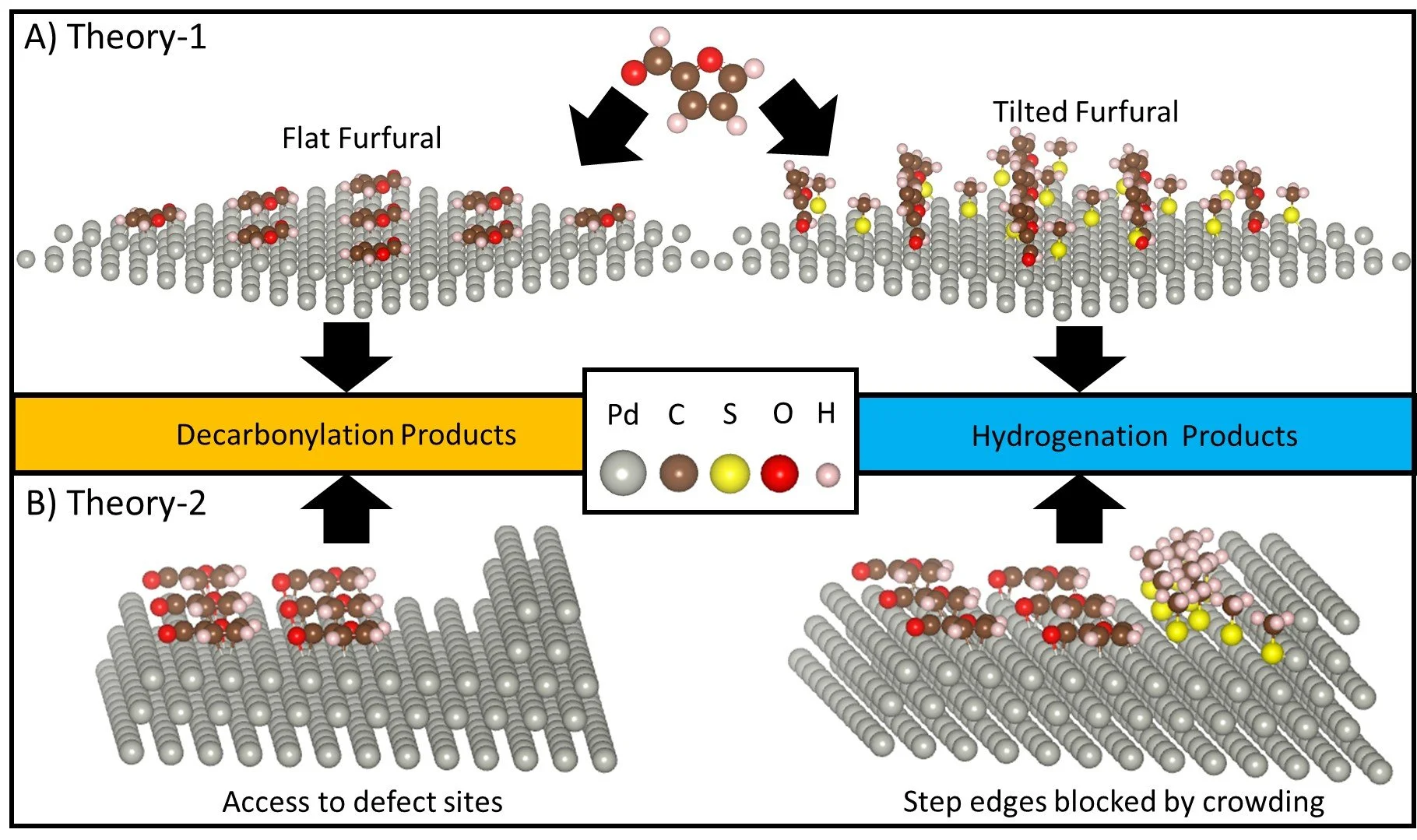
Depiction of competing theories for organic modification of chemical selectivity
Project V focused on leveraging fundamental surface studies to develop strategies for designing molecular electronics circuits. A primary objective in technological research and development is to create increasingly smaller device components. The advantages of miniaturization are substantial, including increased component density, faster processing speeds in computers, reduced power consumption that extends battery life, and lighter, more portable devices. Additionally, smaller components enable more efficient use of raw materials, allowing greater production on a single silicon wafer. However, there are limits to how much device density can be increased. Beyond a certain point, current etching methods become impractical, marking a deviation from Moore’s Law. Addressing this challenge may require adopting a "bottom-up" approach, where devices are built from molecular components rather than being etched from bulk materials. This project employed surface-selective techniques to explore strategies for fabricating molecular electronic devices with asymmetric conductivity. These strategies were grounded in a fundamental understanding of self-assembly processes, offering a plausible pathway to overcome the limitations of traditional miniaturization methods.
Project V:
Molecular electronics and self-assembly
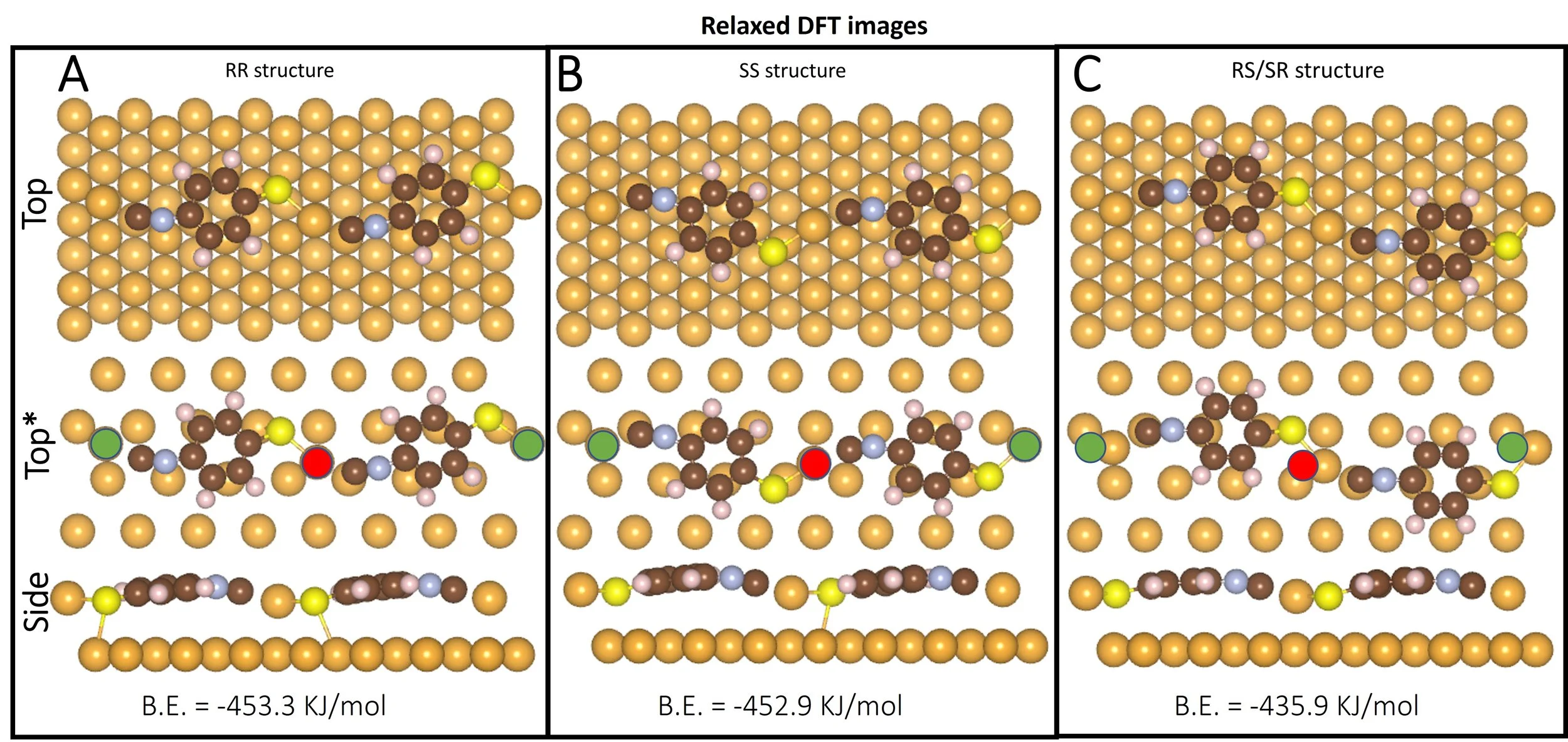
Optimized DFT images for Isocyano phenyl disulfide oligomers on the Au(111) surface
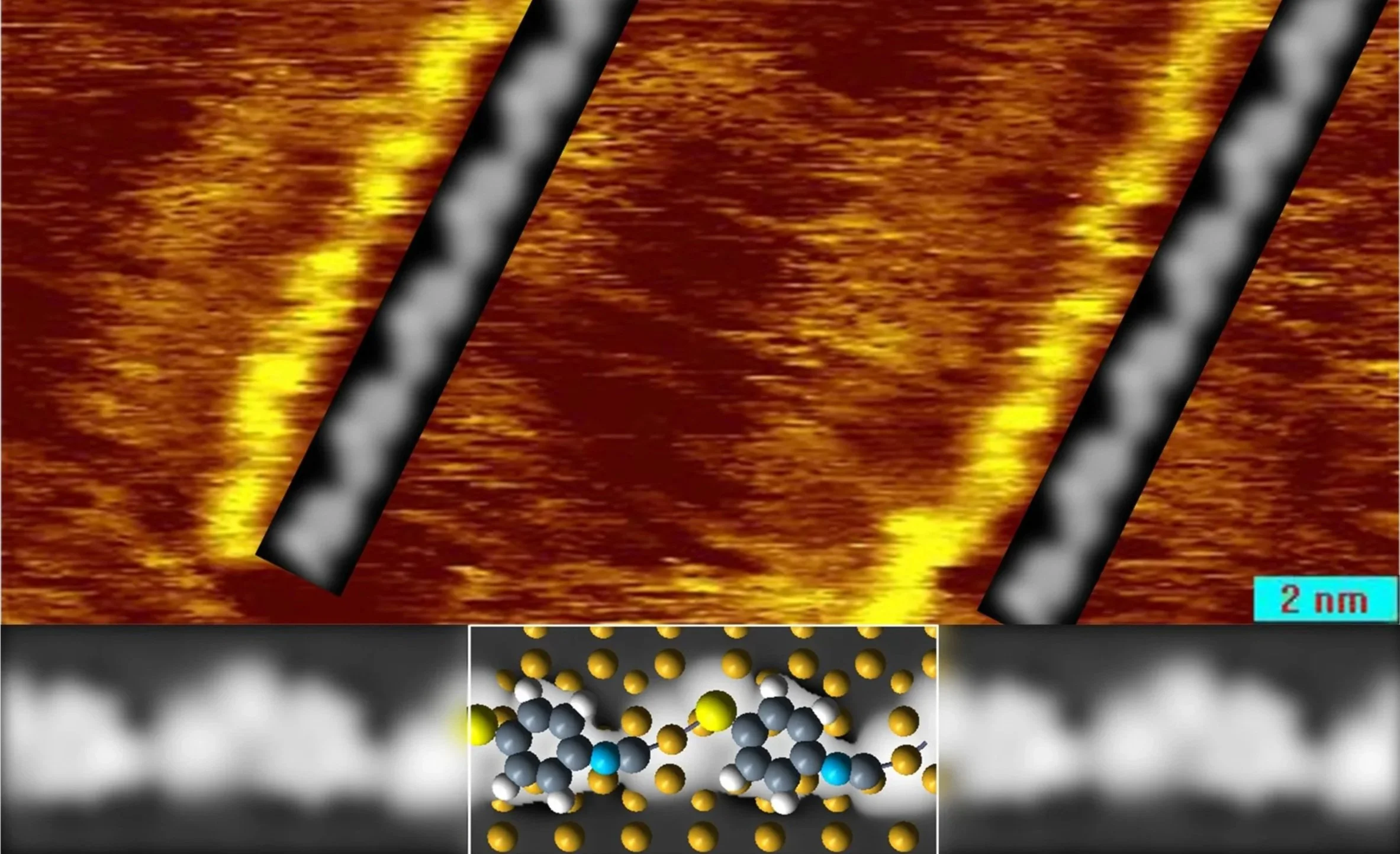
STM simulations for ICPD oligomers overlayed and scaled next to STM observed images
Project VI:
Drug Discovery during the Covid-19 Global Pandemic
Computational chemistry, including virtual screening methods, has become integral to the drug discovery process, providing cost-effective, time-saving, and highly efficient tools for identifying and optimizing potential drug candidates. Virtual screening leverages computational techniques to analyze large libraries of small molecules, identifying those most likely to bind effectively to a drug target, such as a protein or enzyme. The benefits of computational chemistry in drug discovery are significant when applied effectively. One major advantage is cost and time efficiency: virtual screening minimizes the need for expensive high-throughput screening and accelerates the hit-to-lead and lead optimization phases of drug discovery. Additionally, computational chemistry enhances success rates by prioritizing molecules with a higher likelihood of viability, thereby increasing the chances of identifying promising candidates. Another key benefit is access to an expansive chemical space, enabling the exploration of vast libraries of chemical structures beyond the physical limitations of individual laboratories. Moreover, a rapidly emerging area in computational drug discovery is its seamless integration with novel AI and machine learning technologies. These advanced tools can boost predictive accuracy by harnessing large datasets and sophisticated algorithms to refine and optimize drug design.
As a result, virtual screening and other computational chemistry methods are indispensable tools in modern drug discovery. By integrating these tools with experimental efforts, researchers can streamline the discovery of new drugs, enhance their properties, and improve the overall efficiency of the drug development pipeline. This project outlines some of the additional modifications to a computational drug discovery method using the Autodock VINA software, which already has widespread utilization. Although the methods outlined in this project are be easily integrated with VINA, it is not necessarily limited to VINA software packages.
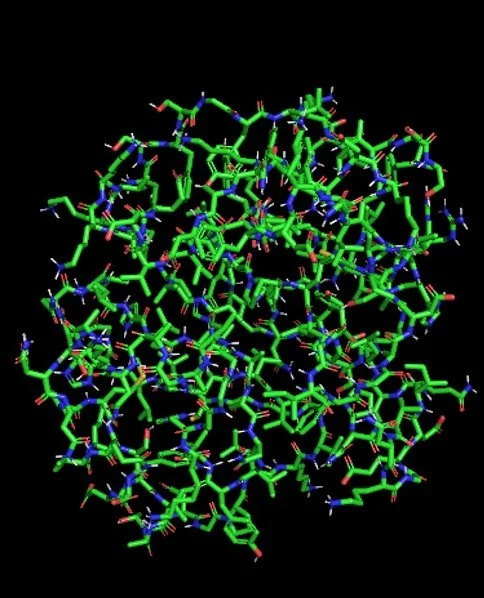
A selected protein viewed with “Stick” Method
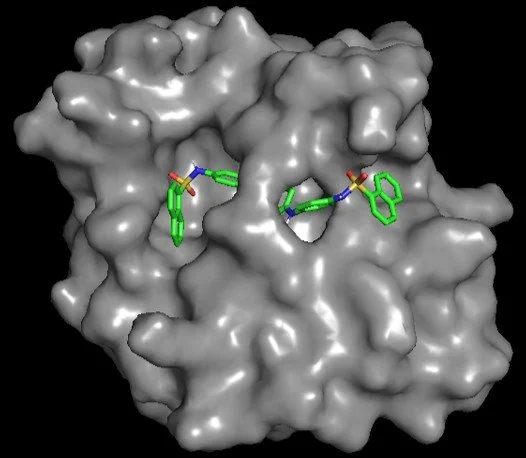
A docked ligand (stick view) with a protein (surface - grey)
Project VII:
Pulsar Astronomy
As an undergraduate student at the University of Wisconsin - Milwaukee, I had the opportunity to work as a member of the Arecibo Remote Command Center, where I operated both the Arecibo and Green Bank radio telescopes to survey the night sky for radio signals from pulsars. I also had the opportunity to travel to Boolardy Station in the Australian outback to contribute to the Murchison Widefield Array (MWA) expansion project. FInally, using Pulsar data analysis equipment, CyberSKA, I identified multiple pulsar signals, contributing directly to ongoing pulsar discovery and characterization efforts.
Personally Discovered Pulsars: J1529-26, J1536-30, J1638-35, and J1819-37
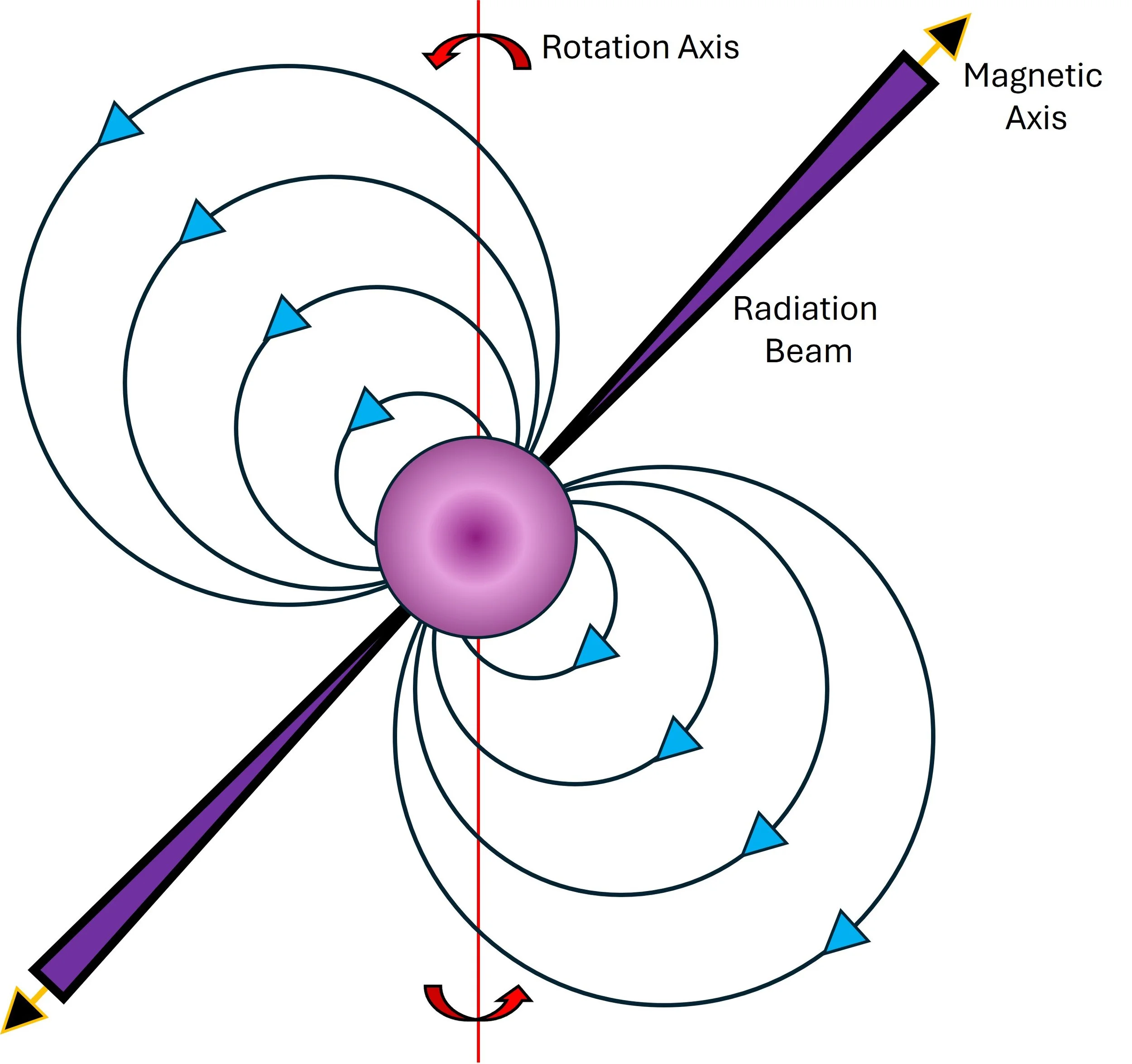
Simple illustration of a pulsar